
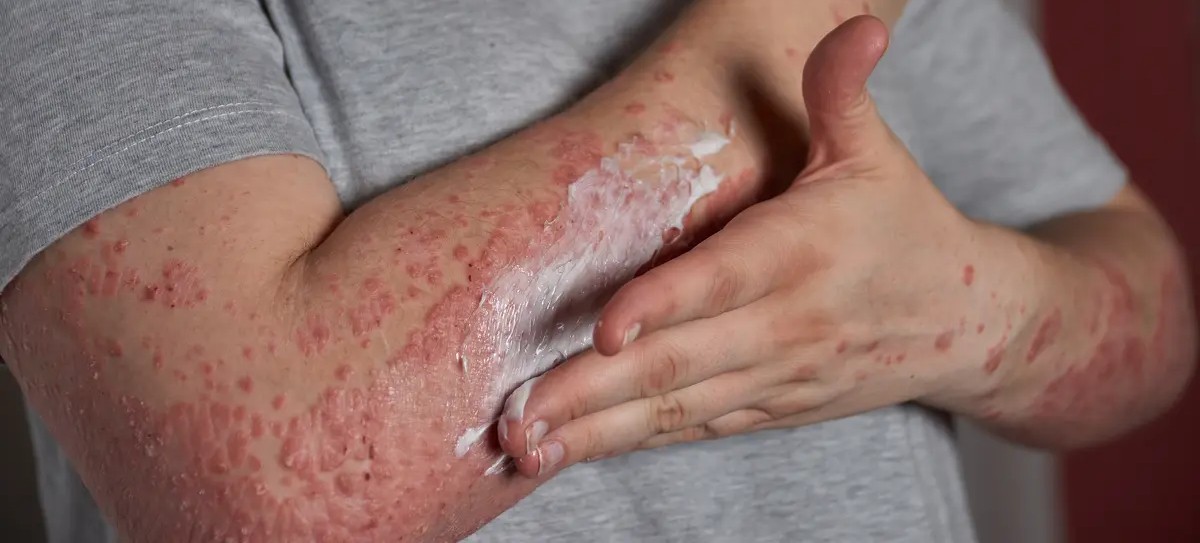
Atopic dermatitis is a common, long-term inflammatory skin condition that causes dry, itchy and irritated skin. It can affect people of all ages, although it is particularly common in children. The condition may come and go, with periods when symptoms become more noticeable, often called flare-ups.
What Is Atopic Dermatitis?
Atopic dermatitis, commonly known as eczema, is a chronic skin condition associated with inflammation and a weakened skin barrier. When the skin barrier does not function properly, the skin can lose moisture more easily and may become more sensitive to irritants, allergens and environmental factors.
The appearance of atopic dermatitis can vary depending on a person's age, skin type and the severity of the condition. Commonly affected areas include the face and scalp (particularly in infants), folds of the elbows and knees, hands and wrists, neck, and ankles and feet.
Common Symptoms
- Intense itching that may interfere with sleep or daily activities
- Dry or very dry skin
- Red, inflamed or darker areas of skin
- Rough or scaly patches
- Small bumps that may leak fluid when scratched
- Cracked or thickened skin in repeatedly affected areas
- Skin irritation or increased sensitivity
What Causes Atopic Dermatitis?
There is no single cause of atopic dermatitis. It is generally associated with a combination of genetic, immune-system and environmental factors. People with a personal or family history of conditions such as eczema, asthma or allergic rhinitis may have a higher tendency to develop atopic dermatitis. A weakened skin barrier can also make the skin more vulnerable to dryness and irritation.
Common Triggers
Certain factors may trigger or worsen symptoms. These can include dry or cold weather, excessive heat and sweating, stress, dust and environmental irritants, fragrances and certain skincare products, harsh soaps or detergents, rough or irritating fabrics, frequent bathing with very hot water, and scratching the affected skin.
Triggers are not the same for everyone. Keeping track of when symptoms worsen can sometimes help identify individual triggers.
Is Atopic Dermatitis Contagious?
No. Atopic dermatitis is not contagious. It cannot spread from one person to another through physical contact. However, scratching irritated skin can damage the skin barrier and increase the risk of secondary infection. Signs such as increasing pain, warmth, swelling, pus, crusting or fever should be assessed by a qualified healthcare professional.
How Is Atopic Dermatitis Diagnosed?
Atopic dermatitis is usually diagnosed through a clinical examination and medical history. There is no single blood test that can confirm every case of atopic dermatitis. A doctor may consider the location and appearance of the skin changes, the pattern of symptoms, itching, personal or family history and possible triggers. Other skin conditions can sometimes look similar to eczema, so persistent, severe or unusual skin symptoms should be evaluated rather than self-diagnosed.
Managing Atopic Dermatitis
Management generally focuses on protecting the skin barrier, reducing irritation and controlling flare-ups. Basic skin-care measures may include using gentle, fragrance-free cleansers, applying a suitable moisturiser regularly, avoiding known personal triggers, keeping baths and showers comfortably warm rather than very hot, choosing soft, breathable clothing, and keeping fingernails short to reduce skin damage from scratching.
Depending on the severity and individual circumstances, a doctor may recommend specific medical treatments. Treatment should be selected according to the patient's age, symptoms, affected areas and overall health.
When Should You Consult a Doctor?
Consider medical evaluation if itching or skin changes are persistent, recurrent, spreading or affecting sleep and daily activities. Medical attention is particularly important when there are signs of infection or when the diagnosis is uncertain.
Homoeopathic Support for Atopic Dermatitis
For individuals experiencing atopic dermatitis, homoeopathy focuses on treating the root cause rather than just symptom suppression. It aims to improve internal balance, strengthen the skin barrier, reduce inflammation, and support long-term recovery naturally. At Priority Homoeopathy, atopic dermatitis and eczema are managed with personalized treatment plans based on individual symptoms, triggers, and overall health factors.
Final Thoughts
If you are experiencing persistent itching, dryness, redness or recurring skin rashes, a consultation with a qualified physician can help determine whether the symptoms are consistent with atopic dermatitis or another skin condition. As a homoeopathic physician in Chandigarh with more than 30 years of clinical experience, I believe that understanding the nature, triggers and individual pattern of a skin condition is an important part of responsible care.
This article is intended for general educational purposes and should not be considered a substitute for an in-person medical consultation, diagnosis or emergency medical care.
Leave a Comment
Share your experience or ask a question
Post a Comment