
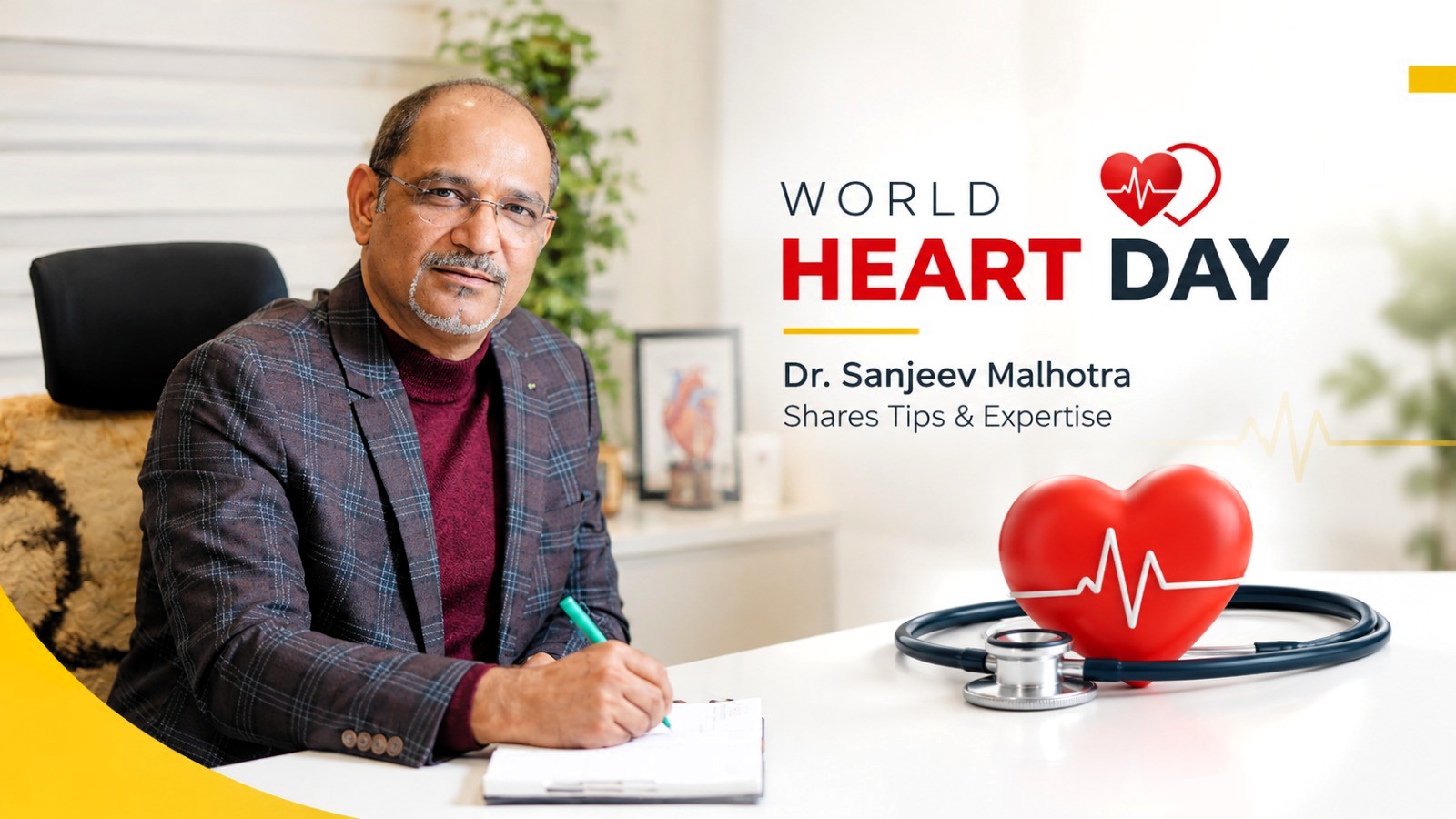
World Heart Day is observed every year on 29 September to raise awareness about cardiovascular health and the importance of taking care of our hearts. In our busy lives, we often focus on work, family responsibilities and daily commitments, leaving little time to think about our health. However, heart health deserves attention long before any symptoms appear.
Heart disease is a major health concern worldwide, but many of the risk factors associated with cardiovascular disease can be managed through healthy lifestyle choices, regular health check-ups and timely medical care. World Heart Day serves as a reminder that even small, consistent changes in our daily routine can contribute to better long-term health.
Why Is Heart Health Important?
The heart is a vital organ that continuously pumps blood throughout the body, supplying oxygen and essential nutrients to different tissues and organs. Maintaining a healthy heart is important for overall well-being, physical activity and quality of life.
Cardiovascular diseases include conditions such as coronary artery disease, heart attacks and strokes. Several factors can increase the risk of these conditions, including high blood pressure, high cholesterol, diabetes, smoking, physical inactivity, excess body weight and an unhealthy diet.
Some risk factors, such as age and family history, cannot be changed. However, understanding personal risk factors and making informed health decisions can help reduce the likelihood of developing cardiovascular problems.
Common Signs of Heart Problems You Should Not Ignore
Heart-related problems do not always begin with obvious symptoms. Some people may experience warning signs, while others may have few or no noticeable symptoms until a serious event occurs.
Warning Signs
- Chest pain, pressure or discomfort
- Breathlessness during routine activities or at rest
- Unusual tiredness or weakness
- Discomfort spreading to the arms, back, neck, jaw or stomach
- Dizziness, light-headedness or cold sweating
These symptoms may have different causes, but sudden chest discomfort, severe breathlessness, fainting or other possible heart attack symptoms require immediate emergency medical attention. Do not wait for symptoms to settle or attempt to manage a suspected heart attack with home remedies.
Regular medical check-ups are also important because conditions such as high blood pressure and elevated cholesterol may not produce noticeable symptoms.
Simple Lifestyle Habits for Better Heart Health
1. Follow a Balanced Diet
A heart-friendly diet includes fresh fruits, vegetables, whole grains, pulses, nuts and other nutritious foods. Try to limit excessive salt, sugary drinks, deep-fried foods and products high in saturated or trans fats. Home-cooked meals with balanced portions can make healthy eating easier to maintain.
2. Stay Physically Active
Regular physical activity supports heart health and helps manage body weight, blood pressure and blood sugar. Walking, cycling, swimming or other activities suited to your fitness level can be useful. Adults are generally advised to aim for at least 150 minutes of moderate-intensity physical activity each week, with adjustments based on individual health and medical advice.
3. Manage Stress and Get Adequate Sleep
Work pressure, family responsibilities and financial concerns can affect daily routines and sleep patterns. Relaxation techniques, enjoyable activities, social connections and a consistent sleep schedule may support overall well-being. If stress becomes difficult to manage, consider speaking with a qualified healthcare professional.
4. Avoid Tobacco and Monitor Your Health
Smoking and tobacco use increase cardiovascular risk. Avoiding tobacco is an important step towards protecting the heart. It is also useful to check blood pressure, cholesterol and blood glucose at appropriate intervals, particularly if you have a family history of heart disease or other risk factors.
The Heart-Healthy Plate
A heart-friendly diet does not have to be complicated. A useful approach is to build meals around:
Build Your Plate
- ½ plate: vegetables and salad
- ¼ plate: protein-rich foods such as pulses, beans, legumes, tofu or other suitable sources
- ¼ plate: whole grains or other minimally processed carbohydrate sources
Also consider:
- Choose whole grains more often
- Include plenty of vegetables
- Eat whole fruits rather than relying heavily on fruit juices
- Include nuts and seeds in appropriate portions
- Prefer unsaturated fats over saturated and trans fats
- Reduce highly processed foods
- Limit foods high in added sugar
- Reduce excessive salt intake
- Keep portion sizes appropriate to your energy needs
For people with diabetes, prediabetes or high triglycerides, the quantity and quality of carbohydrates can be particularly important.
What About Tea, Coffee and Sugar?
Tea and coffee can fit into a healthy diet for many people, but individual tolerance matters. The bigger concern may be what is added to them. Frequent consumption of sugary beverages, sweetened tea or coffee can contribute substantial amounts of added sugar and calories. If you enjoy tea, gradually reducing added sugar can be a simple practical improvement.
Can Heart Disease Be Prevented?
Not every heart condition can be prevented, but many cardiovascular risks can be reduced through healthy habits, early detection and appropriate medical management. People living with diabetes, hypertension or existing heart disease should follow their healthcare professional's advice and continue prescribed treatment.
Alternative approaches, including Homoeopathy, should not replace evidence-based cardiovascular care. It can be included parallel to existing treatment to enhance benefits. Never stop or change prescribed heart medication without consulting your treating doctor.
Frequently Asked Questions About World Heart Day
1. When is World Heart Day celebrated?
World Heart Day is observed every year on 29 September to raise awareness about cardiovascular health.
2. What are the main risk factors for heart disease?
Common risk factors include high blood pressure, high cholesterol, diabetes, smoking, physical inactivity, unhealthy eating habits and excess body weight.
3. How can I keep my heart healthy naturally?
A balanced diet, regular physical activity, adequate sleep, avoiding tobacco and routine health check-ups can support heart health.
4. Can heart problems occur without symptoms?
Yes. Conditions such as high blood pressure and some forms of cardiovascular disease may remain unnoticed until complications develop.
5. When should I seek medical help for possible heart problems?
Seek emergency medical attention for sudden chest pain or pressure, severe breathlessness, cold sweating, fainting or other symptoms suggestive of a heart attack.
A Message on World Heart Day
As a homoeopathic physician with 30 years of experience, I believe that health awareness and timely medical attention are important parts of responsible healthcare. World Heart Day reminds us to pay attention to our bodies, understand our risk factors and make informed decisions about our well-being.
Your heart works continuously throughout your life. Giving it attention through everyday habits, regular medical assessments and appropriate treatment is a meaningful step towards a healthier future.
Homoeopathy can be considered as an accomplice to your existing medication. A holistic approach, from state of mind to physical health, can provide great complementary support.
This article is intended for general health awareness and does not replace professional medical advice.
Leave a Comment
Share your experience or ask a question
Post a Comment